
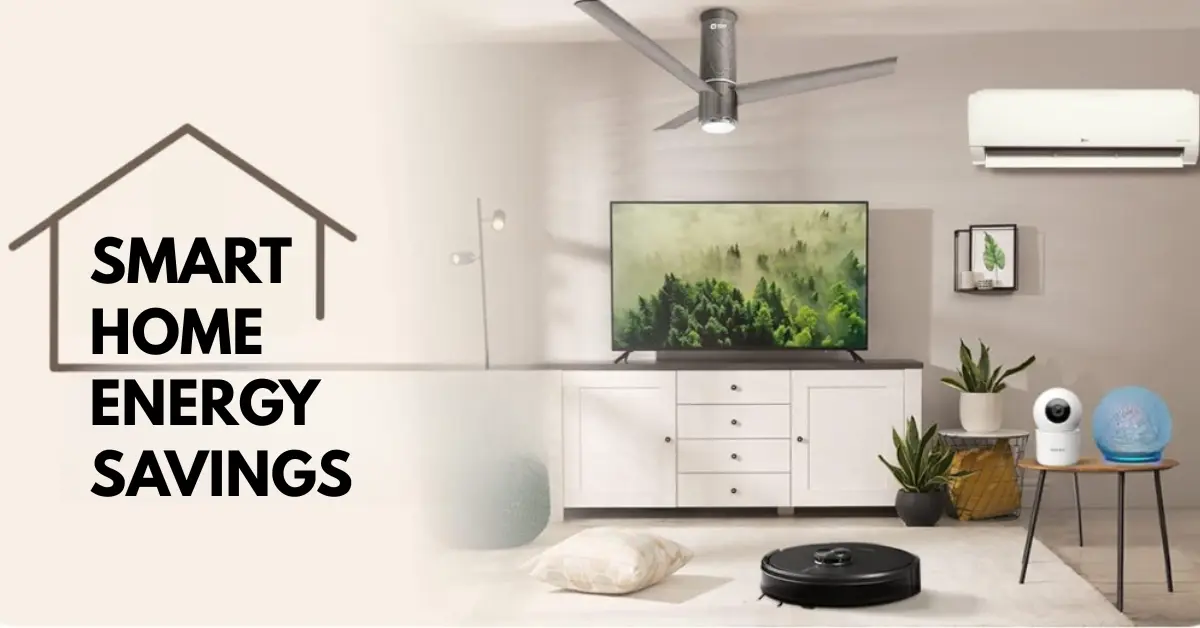
I tracked smart home devices for 90 days — here’s how much electricity and money they actually saved.
If you’ve been exploring smart home IoT, you’ve probably seen bold claims like “save up to 50% electricity.”
But honestly, those numbers rarely reflect real life.
So instead of relying on marketing, I tested a practical smart home setup in a 2BHK house and tracked electricity usage for 90 days. The goal was simple — find out how much electricity does smart home save and whether it’s worth the investment in India.
If you’re completely new to this, I’ve already broken down everything in my complete guide — Smart Home IoT 2026: Devices, Setup & Real Savings — where I explain how these systems actually work from scratch.
This blog shares real numbers, not assumptions.
Table of Contents
Real Smart Home Electricity Savings (Test Data)
Here’s what I observed after comparing electricity usage before and after installing smart devices.
Monthly Comparison
- Without smart home devices:
310 units/month → ₹2,480 electricity bill - With smart home devices:
245 units/month → ₹1,960 electricity bill
Total savings: 65 units/month
Electricity bill reduction: 20–22%
So if you’re wondering “does smart home reduce electricity bill?” — the answer is yes, but only when used properly.
Where Do Smart Home Energy Savings Come From?
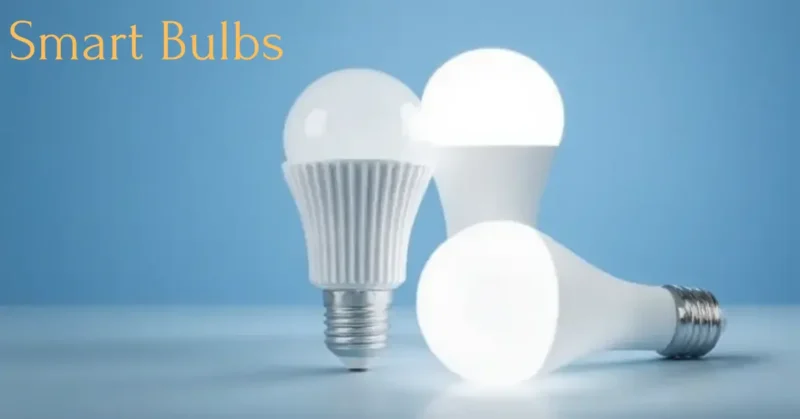
1. Smart Lighting Automation
Lighting was one of the biggest contributors to savings.
- Lights turned OFF automatically when rooms were empty
- Night dimming schedules reduced unnecessary usage
Energy saved: 25 units/month
This is where smart home energy savings percentage starts adding up quickly.
Also, if you’re confused between voice assistants, I did a real comparison in Alexa vs Google Home vs Siri: Shocking Winner 2026 — it’ll help you pick the right ecosystem before investing.
2. Smart Plugs (Underrated but Powerful)
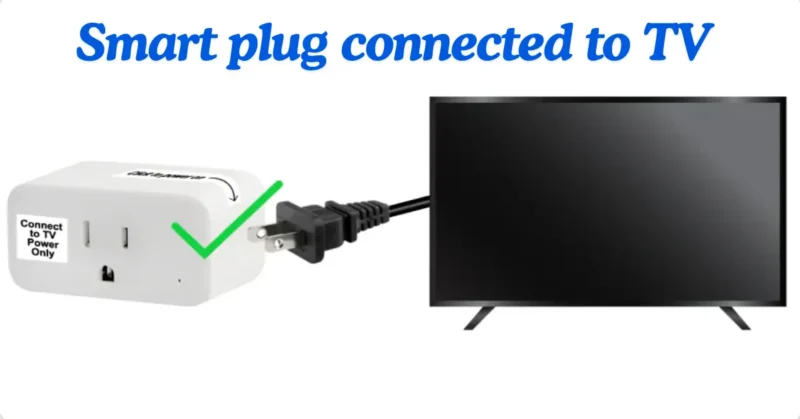
Smart plugs helped eliminate what most people ignore — standby power.
Used on:
- TV
- WiFi router
- chargers
- kitchen appliances
Even when devices look “OFF”, they still consume power.
Energy saved: 15–20 units/month
If your goal is to reduce electricity bill with smart home in India, this is one of the best investments.
3. AC Automation (Highest Impact Device)
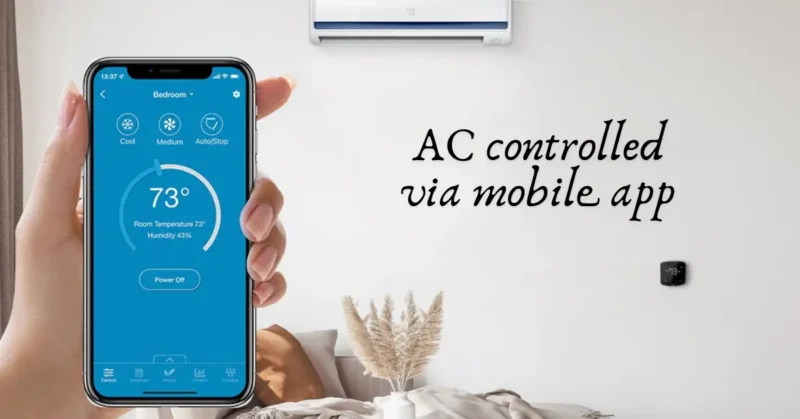
Air conditioners consume the most electricity in Indian homes.
With smart automation:
- AC turned OFF automatically at night
- Temperature optimized based on usage
Energy saved: 20 units/month
This is where IoT energy efficiency in home setups really makes a difference.
And if you’re someone who doesn’t want to invest in a hub, I’ve shared a step-by-step setup in How to Set Up Smart Home Automation Without a Hub (Step-by-Step) — it’s actually easier than most people think.
Do Smart Devices Increase Electricity Consumption?
Yes — but very slightly.
Most smart devices consume:
- 1–5 watts standby power
That’s minimal, but poor setup can increase usage.
Even programs like Energy Star mention that standby power from devices can account for a noticeable portion of home electricity usage, which is exactly where smart plugs help.
Common Mistakes:
- Over-automation (devices switching too frequently)
- Keeping everything always connected
- Using unnecessary smart gadgets
This can add 5–10 units/month
So the goal is not just a smart home — it’s a smartly configured home.
Smart Home Energy Savings Percentage (Reality vs Hype)
Let’s be practical.
- Marketing claims: 30%–50% savings
- Real-world results: 10%–25% savings
According to data from the International Energy Agency, improving energy efficiency through automation and smart monitoring is one of the most effective ways to reduce household electricity consumption globally.
Your savings depend on:
- Type of appliances
- Automation setup
- Daily usage habits
For most Indian households, a 15%–22% smart home electricity bill reduction is realistic.
Smart Home Setup Cost in India (2026)
Here’s what a basic setup costs:
- Smart bulbs: ₹500 – ₹1500 each
- Smart plugs: ₹700 – ₹1200
- Smart switches: ₹2000 – ₹5000
- Smart hub/controller: ₹3000 – ₹8000
Total setup cost: ₹15,000 – ₹40,000
ROI: How Long Does It Take to Recover Cost?
Let’s say you save ₹400–₹600 per month.
Payback period: 2 to 3 years
After that, it’s pure savings.
But honestly, ROI is not just about money.
You also get:
- Convenience
- Automation
- Remote control
- Better energy awareness
Best Smart Devices for Saving Electricity
If your focus is purely on savings, prioritize these:
High Impact Devices
- Smart plugs
- Motion sensor lights
- Smart AC controller
- Smart switches
Low Impact Devices
- Smart speakers
- Smart TVs
- Decorative RGB lighting
These don’t contribute much to smart devices electricity consumption savings.
If you’re just getting started and don’t want to overspend, I’ve also listed some practical options in 10 Best Smart Home Devices for Beginners Under ₹5000 in India (2026) — these are budget-friendly and actually useful.
India-Specific Insights (Important)
In India, electricity usage is heavily influenced by:
- AC in summer
- Geyser in winter
- Kitchen appliances
That’s why cities like Jaipur, Ahmedabad, and Delhi see higher savings with smart homes.
If used correctly, a smart setup can significantly reduce electricity bill in Indian homes, especially during peak seasons.
In India, the Bureau of Energy Efficiency also highlights that efficient appliance usage and monitoring can significantly reduce household energy consumption.
My Honest Experience After 90 Days
After using smart devices daily, one thing became very clear:
Smart home is not just about saving electricity —
it changes how you use electricity.
You stop wasting power without even thinking about it.
And that’s where the real savings come from.
FAQs: Smart Home Electricity Savings
How much electricity does smart home save in India?
In real-world conditions, a smart home can save around 10% to 25% electricity depending on how devices are used. For an average household, this usually means saving 50 to 80 units per month, especially when AC and geyser automation is involved.
Do smart home devices consume electricity all the time?
Yes, but very minimal. Most smart devices consume 1–5 watts in standby mode, which is negligible compared to the energy savings they create through automation and control.
Which smart device saves the most electricity?
Smart plugs and smart AC controllers typically save the most electricity. They help eliminate standby power and optimize high-consumption appliances like air conditioners and heaters.
Can smart homes reduce electricity bills significantly?
Yes, but not magically. A properly configured smart home can reduce electricity bills by 15% to 22% on average, but results depend on usage habits and the type of appliances being automated.
Do smart lights save electricity compared to normal LED bulbs?
Smart lights can save electricity only when used with automation like scheduling or motion detection. Otherwise, they consume similar power as regular LED bulbs.
Final Verdict – How much electricity does smart home save
So, is a smart home worth it for saving electricity?
Yes — if you use the right devices
Yes — if automation is set properly
No — if you expect instant 50% savings
A well-optimized smart home can reduce electricity bills, improve efficiency, and give long-term savings.