
Last Updated: September 2026
Last year, I wrote about driver monitoring systems as an exciting new trend in car safety. Going back through that piece now, one thing stands out: I described a 2026 mandate as something “coming soon.” It’s not coming anymore. As of July 7, 2026, it’s law.
Every new car and van registered in the EU must now include a driver-facing camera as part of an Advanced Driver Distraction Warning system — full stop, no exceptions, no “premium trim only.”
That single regulatory shift is the biggest thing that’s happened to automotive safety since automatic emergency braking went mainstream, and it changes the entire “is this worth having” conversation around driver monitoring technology.
Here’s the honest, updated picture of where this technology actually stands.
Table of Contents
The Regulation That Changed Everything
The EU’s General Safety Regulation (GSR) has been building toward this for years, but 2026 is when it actually landed. The requirements are specific: every new vehicle must include a Driver Drowsiness and Attention Warning system, an Advanced Driver Distraction Warning system, and a Driver Availability Monitoring System collectively, the core of what the industry calls DMS, driver monitoring system technology.
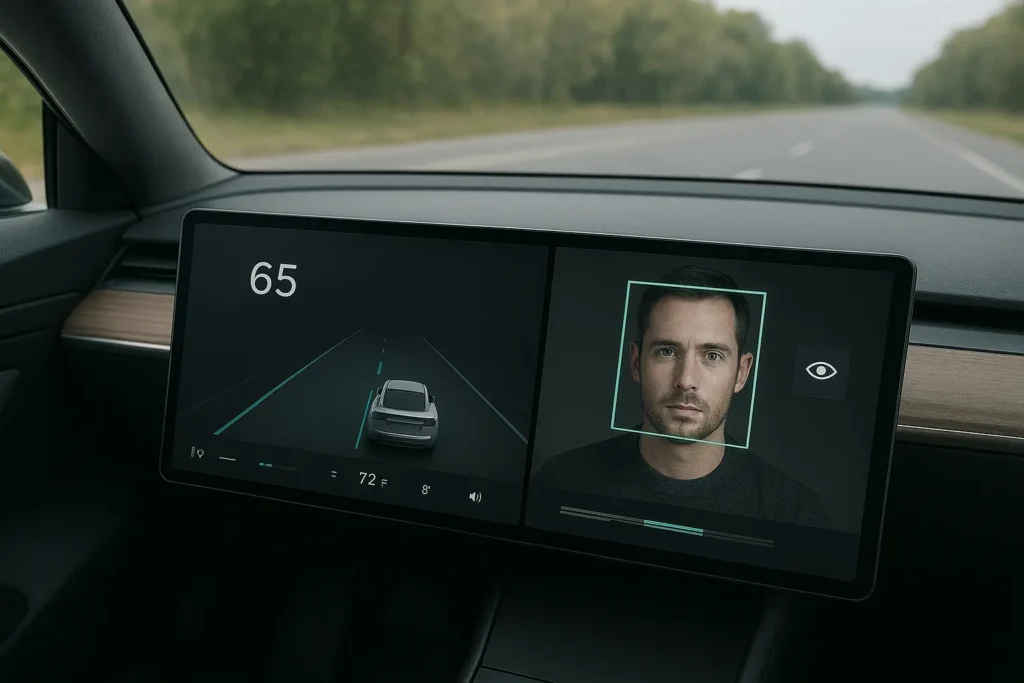
These systems use infrared cameras to track eye movement and head position in real time. The data is processed locally inside the vehicle, not transmitted or stored externally, and gets deleted immediately an important detail given the genuine privacy concerns this kind of always-on cabin camera naturally raises.
The system currently issues escalating visual, audible, and vibration warnings for inattention; it doesn’t yet trigger automatic braking on its own, though that’s widely expected to be the next regulatory step.
Euro NCAP has gone even further, making driver monitoring system performance a core factor in its 2026 safety ratings a properly implemented system can now contribute up to 25 points toward a 5-star rating.
That matters commercially more than it might sound: 82% of European car buyers actively factor Euro NCAP scores into their purchase decision, which means DMS quality is now a genuine competitive battleground between automakers, not just a compliance checkbox.
The Companies Actually Building This Technology
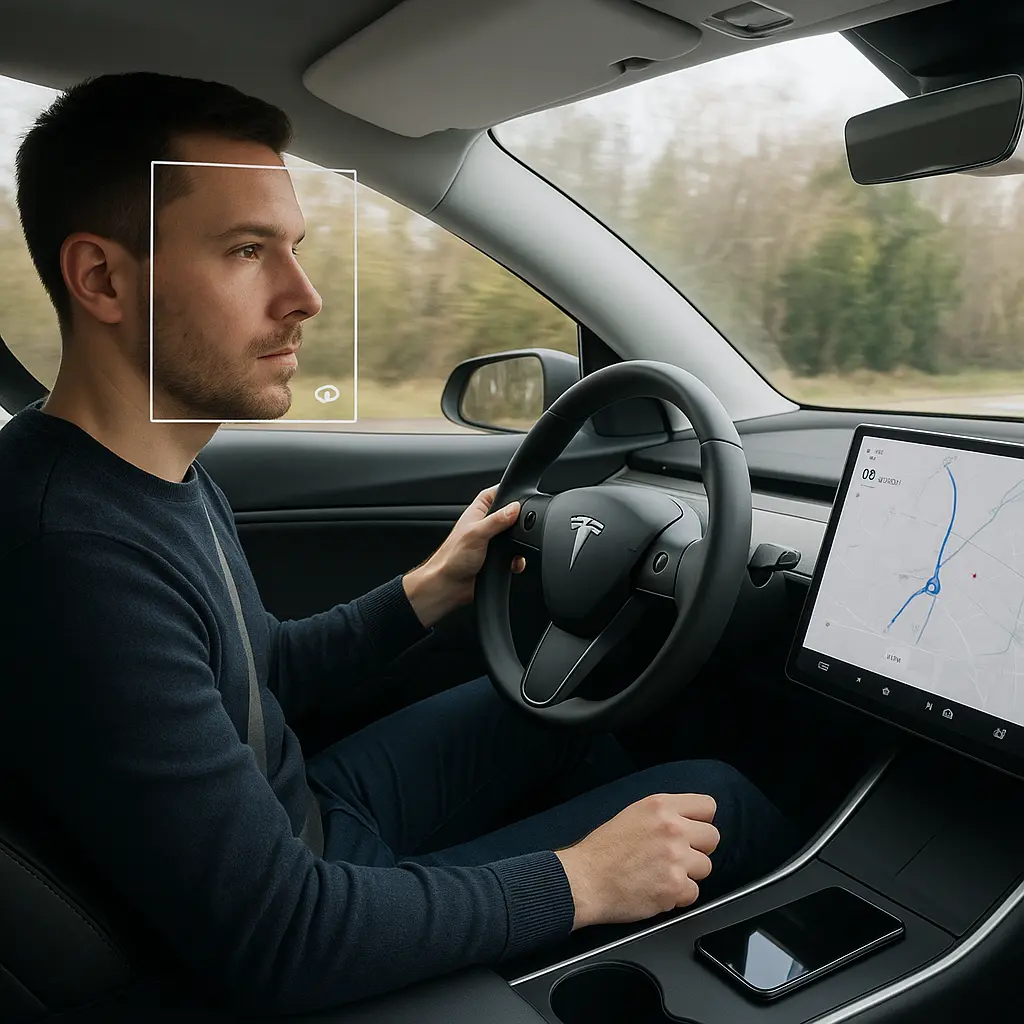
Understanding driver monitoring system companies helps explain why this rolled out so fast once regulation forced the issue. The supply chain is more specialized than most people realize:
Aptiv operates as the Tier-1 hardware integrator for many automakers, providing the standardized camera hardware and embedded compute platforms that make an automotive driver monitoring system physically possible at scale. If you’re researching an aptiv driver monitoring system specifically, this is the role they play — the physical foundation other companies build intelligence on top of.
Seeing Machines is one of the leading Tier-2 algorithm specialists — the company whose AI actually interprets what the camera sees. Their driver eye monitoring system technology is already deployed in over 3.7 million cars and 60,000 trucks globally, and in 2026 they added alcohol impairment detection alongside their existing drowsiness and distraction detection, specifically to meet European standards requiring impairment detection by 2026.
Smart Eye rounds out the major algorithm suppliers, frequently working alongside Aptiv and Seeing Machines on premium implementations — BMW, for instance, collaborates with all three to refine detection accuracy and reduce false positives across different drivers and lighting conditions.
How These Driver Safety Monitoring Systems Actually Work
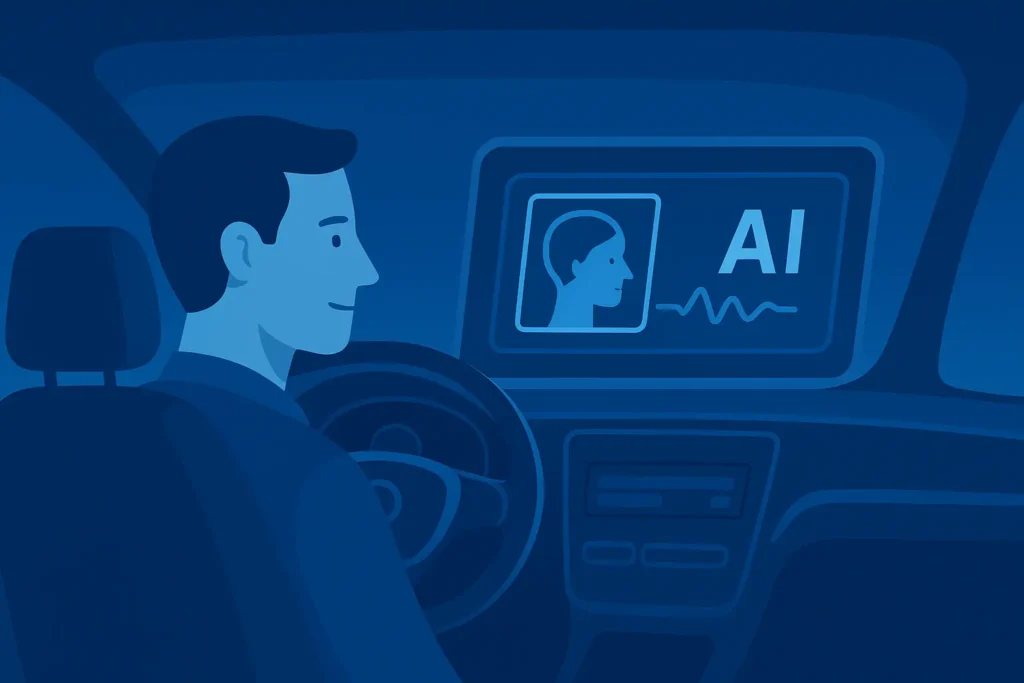
Strip away the marketing, and the core mechanism is consistent across every major driver monitoring solution on the market:
- Infrared cameras track eye position, blink rate, and head movement continuously
- AI models trained on facial landmark data interpret whether the driver is alert, drowsy, or distracted
- Steering pattern and vehicle dynamics data get cross-referenced with the visual data for accuracy
- When risk is detected, the system escalates — starting with a dashboard alert, moving to seat vibration, and in more advanced automotive driver monitoring system implementations, adjusting speed or engaging emergency protocols
Subaru’s DriverFocus: The Data That Should Convince Skeptics
If you want proof that driver alertness monitoring system technology genuinely works rather than just sounding good in a press release, Subaru’s own numbers are hard to argue with. An IIHS survey of nearly 3,500 Subaru owners found that almost 90% use their DriverFocus system most or all of the time, and 70% said they specifically want the feature on their next vehicle.
The 2026 Subaru Outback’s second-generation DriverFocus system upgraded to a wider-angle, higher-resolution camera with infrared LEDs capable of tracking eye gaze through most sunglasses or eyeglasses — a genuinely difficult technical problem that earlier driver monitoring system Subaru implementations struggled with. It’s a strong example of what a mature driver monitoring camera setup looks like after several product generations of real-world refinement.
IIHS’s own research adds important context here: driver drowsiness or distraction was a contributing factor in almost 4,000 fatal crashes in a single recent year — a figure IIHS itself describes as “almost certainly” undercounted, since fatigue leaves no forensic trace the way alcohol does.
Real-World Impact: The Numbers Behind the Hype
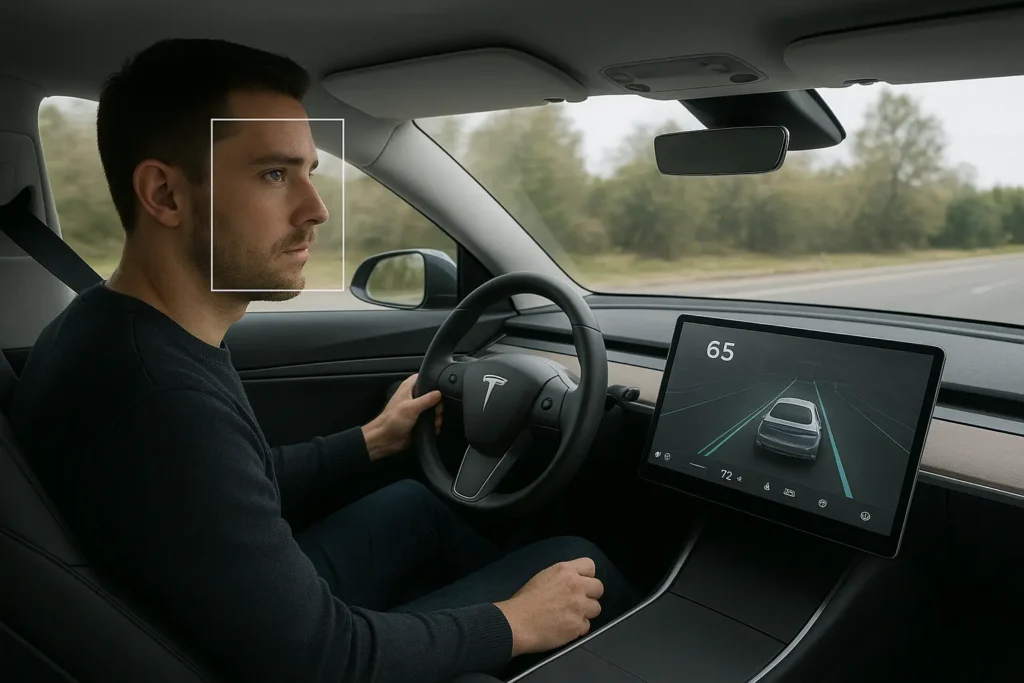
Early field data across multiple manufacturers shows a consistent pattern:
- Fatigue-related accidents down 30–45% in vehicles with active monitoring
- Distraction-related incidents down 25–50%
- Reaction times measurably improved in monitored versus unmonitored driving conditions
The World Health Organization estimates that 20–40% of road accidents still stem from human error broadly. If mature driver monitoring technology can meaningfully cut even a fraction of that category specifically, the public health impact over the next decade is substantial.
What’s Coming Next (2026–2030)
With the regulatory foundation now locked in across Europe, the next wave of development is shifting from “does it work” to “how smart can it get”:
- Alcohol and broader impairment detection becoming standard, not just drowsiness and distraction
- Mood and stress detection feeding into cabin personalization — music, climate, and lighting adjusting to driver state
- Automatic safe pull-over if a driver becomes fully unresponsive, already appearing in select 2026 models
- Voice-based AI co-pilots that check in conversationally rather than just flashing a warning light — the same underlying shift toward autonomous, task-directed AI I’ve covered in my Agentic AI Learning Path 2026
- US regulatory catch-up — Europe’s mandate creates real pressure on American regulators and automakers, since building two entirely different safety architectures for different markets is increasingly impractical
FAQs
What is a driver monitoring system?
A driver monitoring system (DMS) uses cameras and AI to track a driver’s eye movement, head position, and alertness in real time, issuing warnings or triggering safety actions when it detects drowsiness, distraction, or impairment.
Is a driver monitoring system now mandatory?
Yes, as of July 7, 2026, every new car and van registered in the EU must include a driver-facing camera system meeting GSR requirements. Other regions are expected to follow with similar mandates in coming years.
Which companies make driver monitoring systems?
Aptiv provides much of the hardware integration, while Seeing Machines and Smart Eye are among the leading AI algorithm providers. Automakers like Subaru, Tesla, Volvo, BMW, and Tata Motors each implement their own branded versions on top of this underlying technology.
Does Subaru’s driver monitoring system actually work?
According to an IIHS survey of Subaru owners, almost 90% use DriverFocus most or all of the time, and 70% specifically want it on their next vehicle — strong real-world evidence of both effectiveness and driver trust.
Can a driver monitoring camera detect alcohol impairment?
Increasingly, yes. Seeing Machines added alcohol impairment detection to its system in 2026 specifically to meet new European standards requiring this capability alongside traditional drowsiness and distraction detection.
Is driver monitoring system data private?
Under current EU requirements, camera data is processed locally inside the vehicle, not transmitted externally, and is deleted immediately after processing — though privacy advocates continue to raise concerns about potential future “mission creep” in how this data could be used.
If you’re building your own safety tech project, I documented a full budget-friendly version of this concept in my Driver Sleep Detection Using Raspberry Pi build — same core idea, under ₹2,000.