
Introduction
The Internet of Things (IoT) is rapidly changing the world around us. Today, we have smart homes, fitness trackers, smart factories, self-driving cars, and many AI-powered gadgets that make life easier. But there is a major challenge in IoT — battery life.
Thousands of devices in industries, farms, hospitals, and smart cities need to work 24×7. Replacing or charging batteries again and again is expensive, time-consuming, and in some cases, impossible.
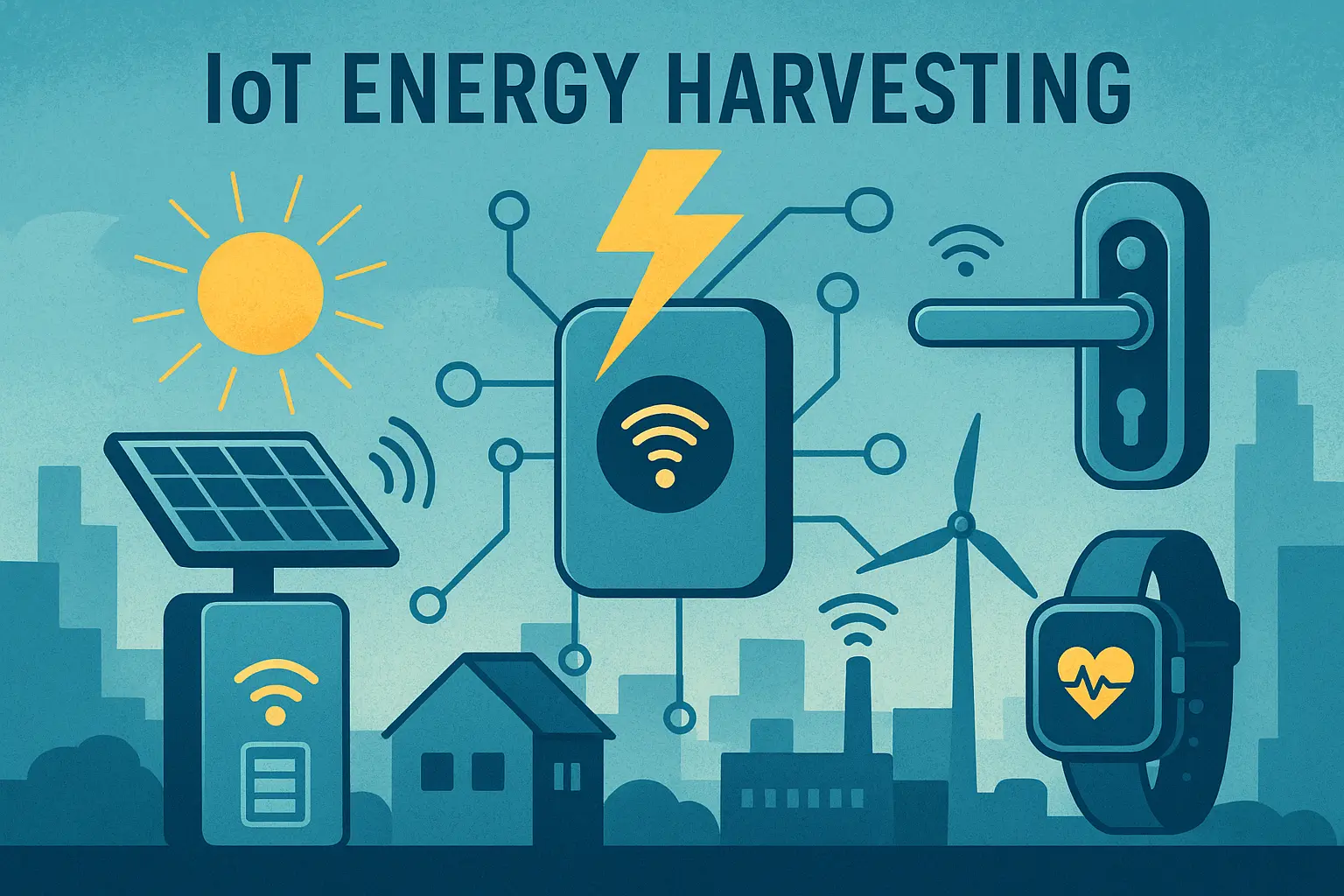
That problem led to the invention of IoT energy harvesting sensors — special sensors that do not need batteries. They generate their own energy from the environment, using sunlight, heat, motion, vibration, or radio waves. This allows IoT devices to work continuously, efficiently, and in an eco-friendly way — without any battery change.
In this complete guide, we will understand what iot energy harvesting sensors is, how it works, types, real-world applications, advantages, challenges, and future scope. This article is helpful for students, engineers, tech enthusiasts, and content creators who want to learn the next big trend in IoT technology.
According to IBM, the Internet of Things is expanding rapidly and connecting devices across homes, industries and cities. You can read more about IoT from their official explanation.
Table of Contents
1. What Is Energy Harvesting in IoT?
Energy harvesting in IoT means collecting energy from the environment and converting it into electricity to power devices. This allows IoT systems to work without charging or replacing batteries.
Easy Definition
IoT energy harvesting sensors collect natural energy around them and convert it into power — no charging, no battery change, just continuous operation.
Why It Matters
- Billions of IoT devices are deployed worldwide
- Battery replacement = high cost + more labor
- Many sensors are placed in remote locations
- Helps reduce e-waste and battery pollution
This makes energy harvesting a powerful solution for the future of IoT technology.
2. How Do Energy Harvesting IoT Sensors Work?
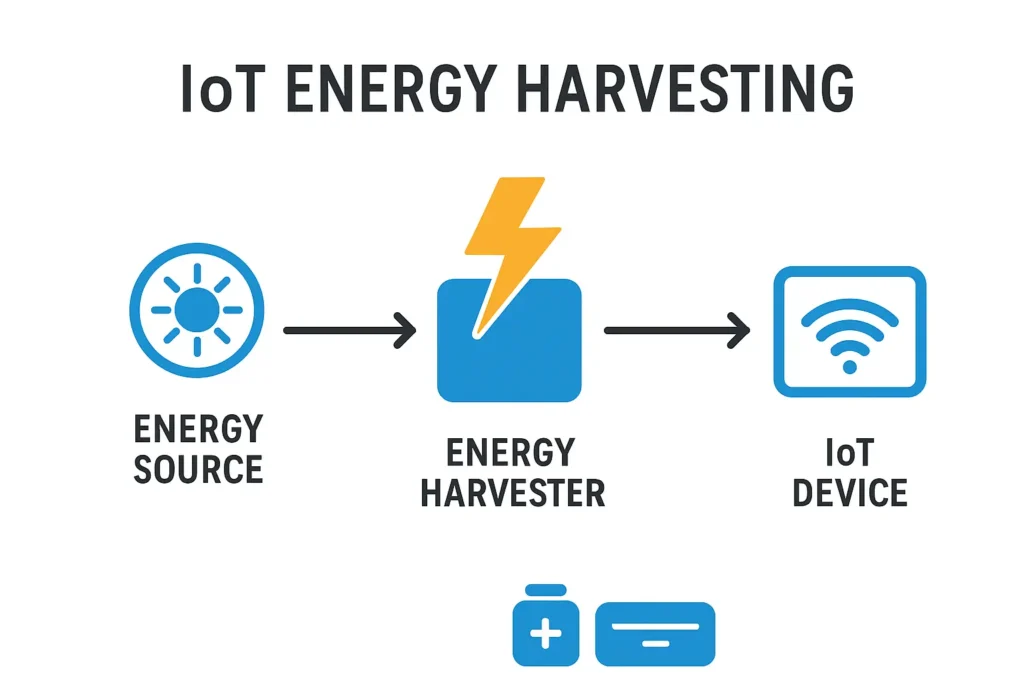
The process is simple and smart. It works in four steps:
a). Energy Source Detection
Sensors detect available energy from surroundings — sunlight, heat, motion, or RF signals.
b). Energy Conversion
Devices like solar cells or thermoelectric generators convert this energy into electricity.
c). Energy Storage
Power is stored in supercapacitors or micro rechargeable batteries.
d). Sensor Operation
The device uses the stored energy to operate — without any external charging.
3. Types of IoT Energy Harvesting Sensors
| Type | Energy Source | Real Example | Use Case |
| Solar Energy | Sunlight | Solar-powered sensors | Smart cities, farms |
| Thermal Energy | Heat | Machine heat | Industrial monitoring |
| RF Energy | Radio waves | Wi-Fi & 5G signals | IoT tracking systems |
| Kinetic/Vibration | Movement | Vibration sensors | Predictive maintenance |
| Piezoelectric | Pressure/force | Smart shoes, doors | Wearable technology |
These methods allow IoT devices to work for 5–10+ years without needing any battery replacement or maintenance.
4. Real-Life Applications of IoT Energy Harvesting Sensors
a). Smart Cities
- Solar-powered streetlights
- Parking & traffic sensors
- Pollution tracking devices
- Weather monitoring stations
Many smart city models now use energy-harvesting sensors to reduce wiring costs and maintenance. Websites like Smart Cities World share regular updates on this trend.
b). Industry / Smart Factories
- Machine vibration monitoring
- Predictive maintenance sensors
- Energy usage analysis
- Equipment failure detection
c). Smart Agriculture
- Soil moisture sensors
- Smart irrigation controllers
- Livestock tracking
- Temperature sensing
d). Healthcare
- Wearable health monitoring devices
- Blood oxygen & heart rate sensors
- Smart hospital equipment
- Body temperature patches
e). Smart Homes
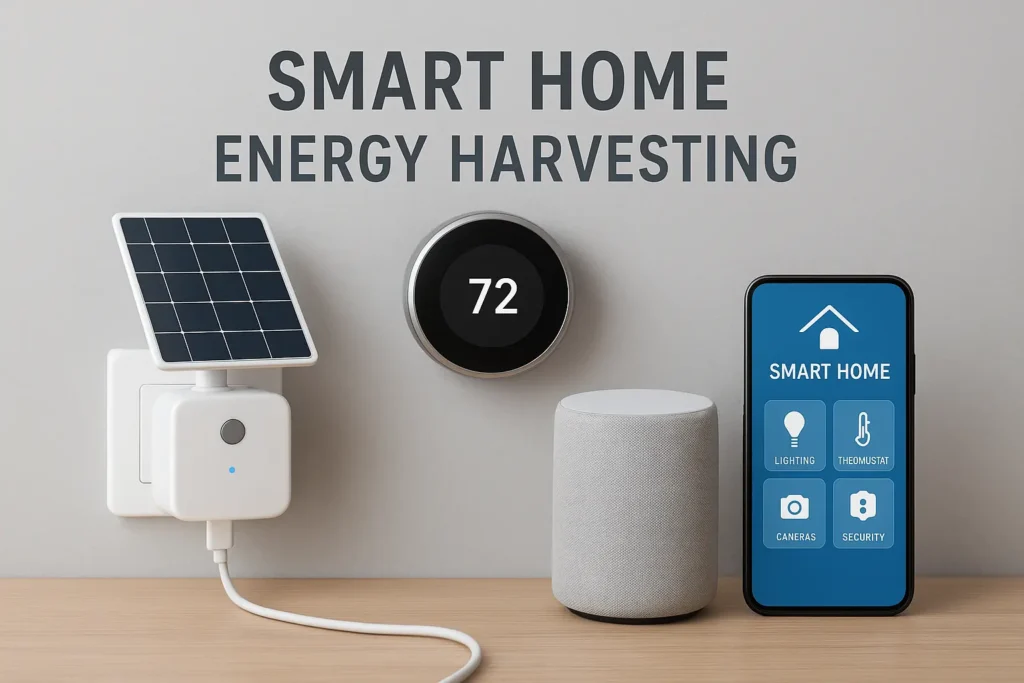
- Motion detection devices
- Smart switches & plugs
- Home security sensors
- Automatic temperature control
To understand how AI is transforming IoT-powered homes, check out this guide on how AI and IoT are powering smart homes in 2026.
f). Environmental Monitoring
- Forest fire detection
- Wildlife tracking systems
- Weather monitoring stations
- Flood warning sensors
These devices can operate for years without charging — making them perfect for remote and outdoor areas.
5. Why Energy Harvesting Is the Future of IoT
| Advantage | Benefit |
| No batteries required | Zero maintenance |
| Eco-friendly | Reduces e-waste |
| Long working life | 5–10 years easily |
| Perfect for remote areas | No human help needed |
| Low power usage | Only uses harvested energy |
Because of these benefits, iot energy harvesting sensors are becoming one of the biggest IoT trends of 2025 and beyond.
6. How Students & Engineers Can Try – IoT energy harvesting sensors
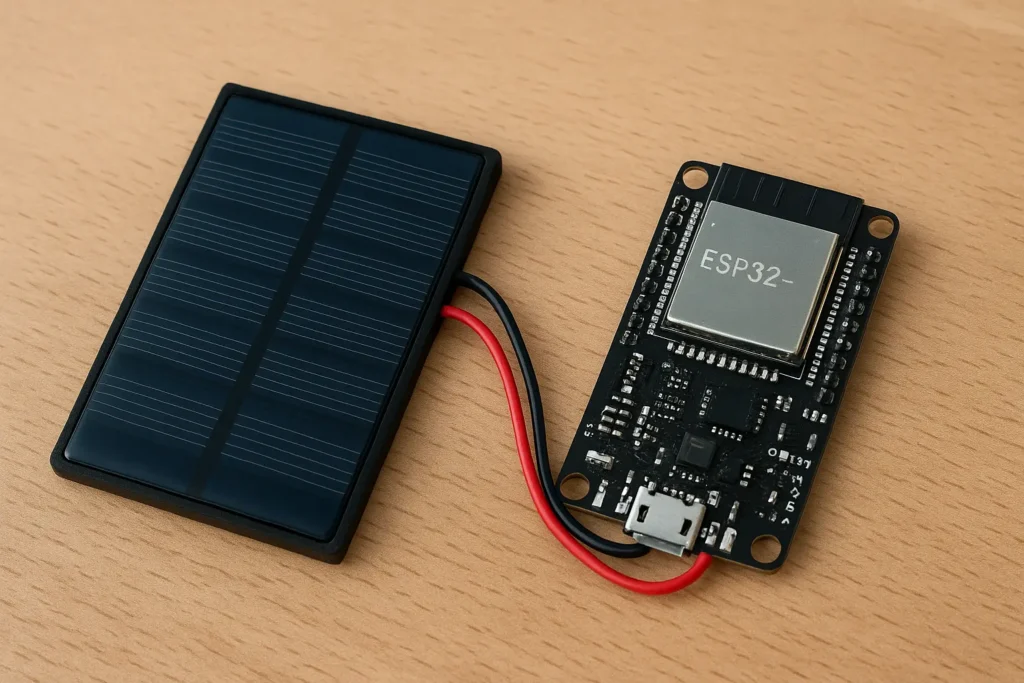
Components for simple projects:
- ESP32 / Arduino + solar input
- Thermoelectric generator module
- Piezoelectric vibration sensor
- Lithium + supercapacitor circuit
- RF antenna harvesting setup
Students can explore AI-based apps that boost learning. Here’s a full list of top AI tools for students in 2026.
7. Challenges of Energy Harvesting in IoT
| Challenge | Reason |
| Low energy output | Not for heavy devices |
| High initial cost | Advanced sensors are costly |
| Energy fluctuation | Depends on light/heat/motion |
| Data speed issues | Not very high-speed processing |
But with AI, Edge Computing, LPWAN, and 5G, these challenges are getting reduced every year.
8. Future of IoT Energy Harvesting (2026–2030)
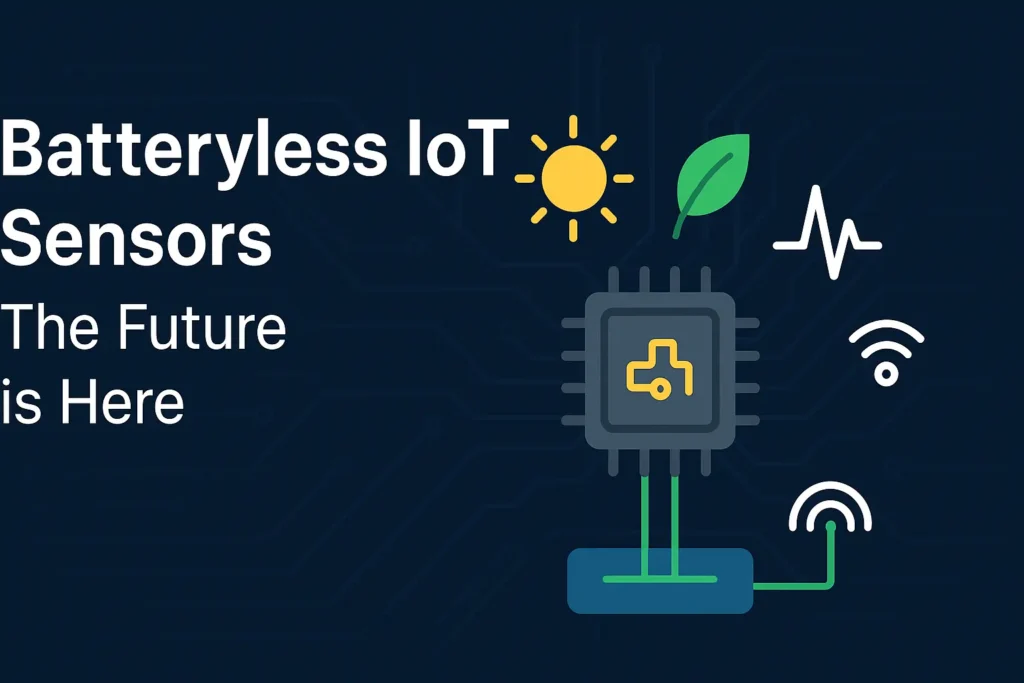
The upcoming IoT world will be batteryless and self-powered. Future advancements include:
- ✔ Energy harvesting + AI for smarter decisions
- ✔ Self-healing IoT networks
- ✔ Quantum-safe wireless communication
- ✔ Smart grid + renewable energy integration
- ✔ Energy harvesting wearables (no charging needed)
- ✔ LPWAN (LoRa / NB-IoT) + energy harvesting combo
Top companies working on this technology:
- Texas Instruments
- Siemens
- Bosch
- Honeywell
- Qualcomm
- STMicroelectronics
FAQ – Batteryless IoT Sensors 2026
1. Can IoT devices work without batteries?
Yes! Energy harvesting sensors can generate their own power and work without external batteries.
2. What is the biggest benefit of energy harvesting IoT?
It reduces maintenance costs and can work in remote locations for years.
3. Which energy source is most used?
Solar and vibration energy are currently the most widely used in smart cities and industries.
4. Which microcontroller is used for energy harvesting projects?
ESP32, Arduino Nano, STM32, Raspberry Pi Pico are common choices.
5. Is IoT energy harvesting sensors expensive?
Initial cost might be high, but long-term cost + maintenance becomes very low.
Conclusion – Energy Harvesting for IoT Devices
IoT energy harvesting sensors are the future of smart technology. They save money, energy, time, and human effort while providing a sustainable and eco-friendly way to power gadgets.
From smart cities to agriculture, healthcare, and homes — batteryless IoT devices are going to change the world. This niche is perfect for students, engineers, and tech bloggers who want to rank early and grow fast.
3 thoughts on “IoT Energy Harvesting Sensors – The Batteryless Future of Smart Devices”